Maintaining strength, mobility, and independence
becomes increasingly important as we age
And one nutrient quietly plays a starring role in that process: Protein
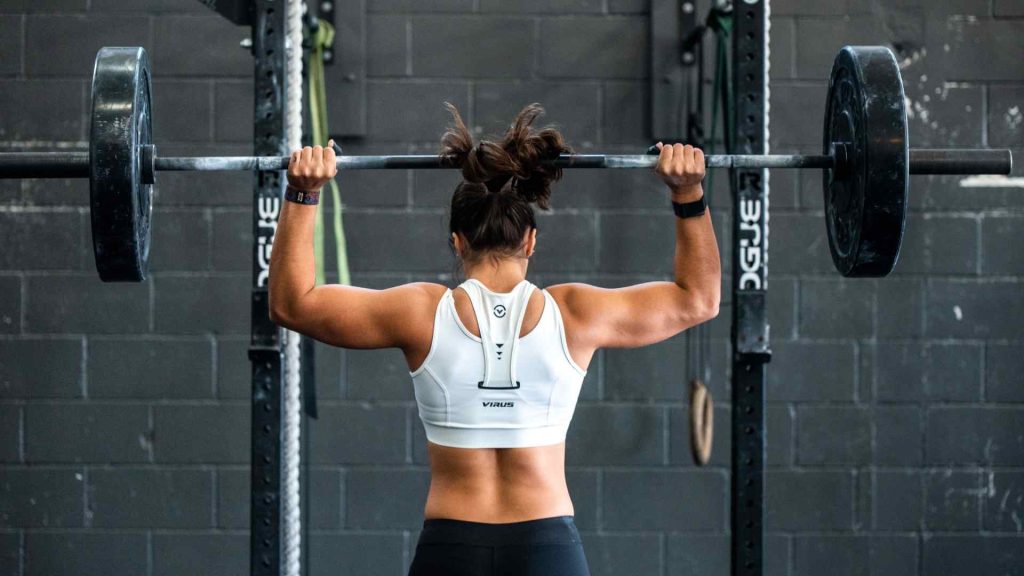
Most people think of protein as the thing you eat after a workout
to build muscle.
But for adults in their 40s, 50s, 60s, and beyond,
protein is about much more than muscle size.
It’s about keeping your body capable, steady, and resilient
in everyday life.
The Real Reason Protein Matters With Age
As the years go by, our bodies naturally lose muscle mass
A process called sarcopenia.
It’s gradual, but it affects nearly everyone.
This loss of muscle can influence:
-
Balance and stability
-
Walking speed
-
Ability to lift, carry, or climb stairs
-
Joint support
-
Everyday independence
Protein helps counter this decline by
Giving your body the building blocks it needs to
Repair,
Maintain,
And rebuild muscle tissue.
Even if you’re not lifting weights
Or doing structured exercise,
Your muscles are constantly being used —
And constantly needing repair.
The Challenge: Getting Enough Protein Isn’t Always Easy
You’d think eating enough protein would be simple,
But many adults unintentionally fall short.
A few common reasons:
-
Appetite often decreases with age
-
Meals become smaller or lighter
-
Some people rely more on toast, cereal, fruit, or snacks — foods that contain very little protein
-
Digestive comfort becomes a priority, and protein foods may feel “too heavy”
Over time, these small shifts can add up,
Leaving the body without the raw materials it needs to maintain strength.
A Practical, Easy Strategy: Include Protein at Every Meal
You don’t need complicated meal plans or high‑protein shakes to support healthy aging.
A simple, sustainable approach is to include a source of protein at each meal.
Here are everyday options that fit most lifestyles:
-
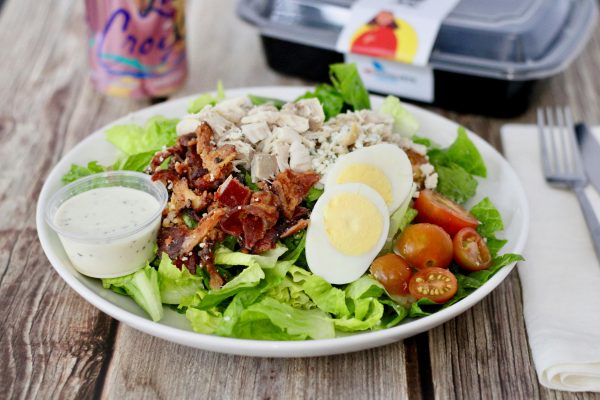
Breakfast: eggs, Greek yogurt, cottage cheese, nut butter, tofu scramble
-
Lunch: chicken, tuna, salmon, lentils, beans, chickpeas, tempeh
-
Dinner: fish, lean meats, tofu, legumes, dairy, or high‑protein grains
-
Snacks: yogurt, cheese, hummus, edamame, protein‑rich smoothies
Spreading protein throughout the day
Makes it easier for your body to use it effectively
And helps you meet your nutritional needs without feeling like you’re “forcing” anything.
🌟 The Bottom Line
Protein isn’t just for athletes.
It’s a quiet, essential part of staying strong, steady, and independent as you get older.
By making sure each meal includes a meaningful source of protein, you support:
-
Muscle maintenance
-
Mobility
-
Balance
-
Recovery
-
Healthy aging