
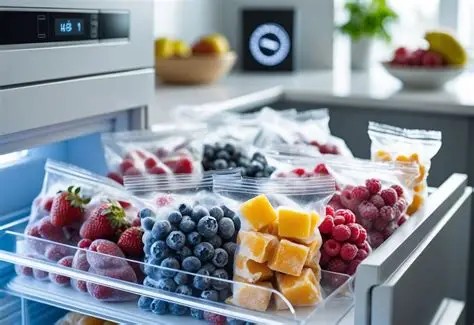
Why “Fresh” Isn’t Your Only Healthy Option
When most people think about eating healthy,
They picture crisp apples, vibrant berries, and perfectly ripe mangoes straight from the produce aisle.
But here’s a secret that might surprise you:
Frozen fruits can be just as nutritious as fresh
Sometimes even more.
Thanks to modern freezing techniques,
Frozen produce has become one of the most reliable, affordable, and convenient ways to enjoy nutrient‑rich foods all year long.
❄️ How Freezing Preserves Nutrients
Freezing isn’t just about convenience—it’s a powerful preservation method.
Fruits destined for freezing are typically harvested at peak ripeness,
When their nutrient levels are highest.
They’re then flash‑frozen within hours,
Locking in vitamins, minerals, antioxidants, and fiber.
Fresh fruits, on the other hand, begin losing nutrients the moment they’re picked.
Transport, storage, and time on supermarket shelves all contribute to gradual nutrient decline.
Studies show that frozen fruits often retain equal—or even higher—levels of certain nutrients compared to fresh options.
🍓 Are Frozen Fruits Healthy? Absolutely.
A typical cup of frozen fruit contains around 70 calories, 3.5 grams of fiber, and 39% of your daily vitamin C needs,
Making it a nutrient‑dense choice for smoothies, breakfasts, and snacks.
Here’s why frozen fruit deserves a place in your kitchen:
-
High in vitamins and antioxidants
-
Flash‑freezing preserves vitamin C, B‑complex vitamins, and phytonutrients.
-
Rich in fiber Fiber supports digestion, stabilizes blood sugar, and helps you feel full longer.
-
Long shelf life No more throwing away spoiled berries or mushy mangoes.
-
Budget‑friendly Frozen produce is often cheaper than fresh, especially out of season.
-
Convenient Pre‑cut, pre‑washed, and ready to use—ideal for busy households.
🥭 What to Look For When Buying Frozen Fruit
Not all frozen fruit products are created equal.
To get the healthiest options, check the ingredient list and avoid:
-
Added sugars
-
Syrups
-
Sweetened blends
-
Sauces
-
Excess sodium (more common in frozen vegetables)
The best frozen fruit should contain one ingredient: the fruit itself.
🧊 Frozen vs Fresh: Which Should You Choose?
Both fresh and frozen fruits are excellent choices, and each has its strengths:
Fresh Fruit |
Frozen Fruit |
|---|---|
Best texture and flavor |
Best nutrient retention over time |
Ideal for salads, snacking |
Ideal for smoothies, baking, meal prep |
Can spoil quickly |
Long shelf life |
More expensive out of season |
Consistent price year‑round |
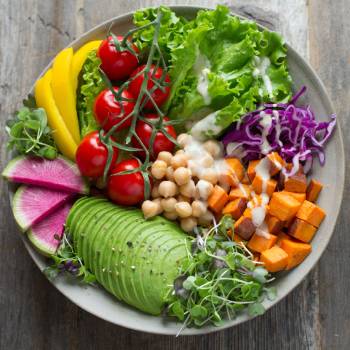
The key takeaway?
You don’t have to choose one or the other.
Use fresh when texture matters,
and frozen when convenience, cost, or nutrient retention is your priority.
🥣 Easy Ways to Use Frozen Fruit
Frozen fruit works beautifully in:
-
Smoothies and smoothie bowls
-
Overnight oats
-
Yogurt parfaits
-
Baking (muffins, crumbles, pancakes)
-
Homemade sorbets
-
Chia puddings
-
Sauces and compotes