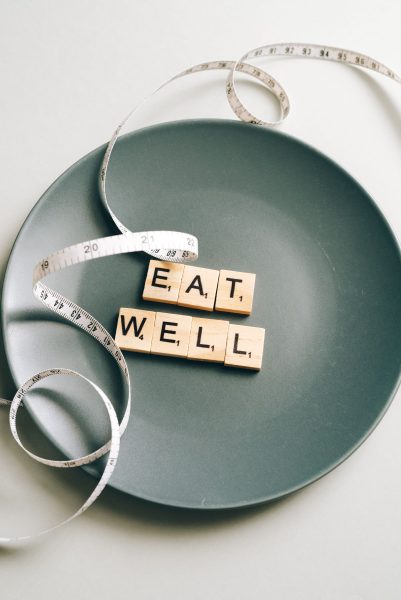
Maintaining a Healthy Weight Is Easier Than You Think
Simple lifestyle shifts you can start today
Trying to maintain a healthy weight in today’s fast‑paced world
Can feel like an uphill battle.
Between long workdays,
Family responsibilities,
and the convenience of fast food,
healthy eating often slips to the bottom of the priority list.
Yet the consequences of poor nutrition and sedentary habits are real.
And the good news?
You don’t need a complicated diet or a strict fitness routine to get back on track.
You just need to start with the basics.
1. Put Away the Electronics During Meals
Mindful eating is more powerful than you think
In a world where our phones rarely leave our hands,
It’s easy to fall into the habit of scrolling while eating.
It feels productive — eating and catching up on messages
Or watching a show at the same time.
But this multitasking comes at a cost.
Eating while distracted by electronics can lead to overeating or undereating
Because the brain isn’t fully registering hunger cues or fullness signals.
When your attention is on a screen, you lose track of how much you’ve eaten.
Try this instead:
-
Make mealtime a mini‑break for your mind and body
-
Step outside and enjoy your lunch on a park bench
-
Sit at a table without your phone
-
Focus on the flavours, textures, and satisfaction of your meal
Mindful eating helps your brain reconnect with your body —
and that connection is essential for maintaining a healthy weight.

2. Start Your Day With a Real Breakfast
Skipping breakfast may be sabotaging your energy and metabolism
Breakfast is the most commonly skipped meal among adults.
Mornings are rushed, schedules are tight, and grabbing coffee feels easier than preparing food.
But your body needs more than caffeine to function well.
A balanced breakfast helps:
-
Stabilise blood sugar
-
Improve focus
-
Reduce overeating later in the day
-
Support a healthy metabolism
Quick breakfast ideas for busy mornings:
-
Keep bread or bagels next to the toaster with soft butter or sugar‑free jam
-
Prep breakfast burritos with eggs and veggies for the week
-
Make overnight oats with fruit and Greek yogurt
-
Blend a protein smoothie with spinach, berries, and almond milk
If you have kids, turn breakfast prep into a fun assembly‑line activity.
They’ll love the independence — and you’ll love the convenience.
3. Don’t Slip Back Into Old Habits on Your Days Off
Weekends shouldn’t undo your weekday progress
Days off are meant for rest, but they can also become a trap for old habits:
Sleeping late, skipping meals, grabbing fast food, or snacking mindlessly.
Instead, use your downtime to support your goals:
-
Try new healthy recipes
-
Prep meals or snacks for the week
-
Grill salmon and asparagus for a nutrient‑packed dinner
-
Use your crockpot to make hearty vegetable stews
-
Pack healthy snacks for family outings
Healthy eating doesn’t have to be restrictive — it can be enjoyable, flavorful, and satisfying.
4. Use Smaller Plates to Naturally Reduce Portions
A simple psychological trick that really works
Portion control is one of the biggest challenges in weight management.
But here’s a surprisingly effective strategy: use smaller plates.
This works because of a visual trick where the same amount of food looks larger on a small plate and smaller on a large one.
Your brain interprets the smaller plate as a fuller meal, helping you feel satisfied with less.
Try this tonight:
-
Serve your main course on a salad plate
-
Use the larger dinner plate for vegetables or salad
-
When dining out, ask for a side plate and portion your meal
If you’re still hungry later, you’ll have leftovers waiting — and you’ll avoid overeating in the moment.

5. Eat the Rainbow Every Day
Colorful meals are healthier meals
The Centres for Disease Control recommends that adults eat
1.5–2 cups of fruit and 2–3 cups of vegetables per day.
Most people fall short — not because they dislike produce, but because they forget to include it.
A simple solution?
Eat the rainbow.
Colourful foods are rich in vitamins, minerals, and antioxidants.
They also make meals more appealing and satisfying.
Easy ways to add colour to your meals:
-
Add red peppers, mushrooms, and cucumbers to salads
-
Make fruit parfaits with strawberries, blueberries, bananas, and Greek yogurt
-
Keep pre‑cut veggies in the fridge for quick snacking
-
Try one new fruit or vegetable each week
-
Add spinach or kale to smoothies
The more color on your plate, the more nutrients your body receives.
Final Thoughts:
Healthy Habits Start With Awareness
Maintaining a healthy weight isn’t about perfection — it’s about consistency.
These five habits help you reconnect with your body,
make smarter choices,
and enjoy food in a more intentional way.
Start with one habit today.
Build momentum.
And watch how small changes create big results over time.